
Many adolescents and young adults in the United States live with depression, anxiety and suicidal thoughts. Dr. James Aluri, a member of the Johns Hopkins Center for Suicide Prevention, focuses his research on one part of that population: college students.
In a recent reflection, Dr. Aluri describes what he has learned from working with the data, and one gap he returns to again and again. As he writes, we do not know how many U.S. college students die by suicide each year.
Why surveys can only take us so far
Much of what we know about college student mental health comes from surveys. Surveys are valuable, but they have built-in limits. They cannot count people who died before the survey was given. They rarely reach everyone, and the students who respond may differ from those who do not.
Even well-established surveys can tell different stories. In a 2024 study in Social Psychiatry and Psychiatric Epidemiology, "Discrepancies in prevalence estimates of suicidal ideation and attempts in 18- to 22-year-old US college students: a comparison of three surveys" (Aluri et al., 2024), Dr. Aluri and colleagues compared three surveys of college students. Their estimates of the share of students who had thought about suicide in the past year ranged from 10.7% to 34.3%, depending on the survey.
Better sampling methods could help, Dr. Aluri notes, but they would need to be adapted to how college students actually live, including in residence halls.
Why the count matters
Dr. Aluri's point is simple: research can only answer questions that the data allow it to ask. Without a reliable count of suicide deaths among college students, it is hard to identify which students face higher risk. Without that knowledge, colleges have less to go on when deciding where to focus support.
Risk does not appear to be the same for every student. Dr. Aluri suggests that characteristics such as academic performance or family income might matter, but those questions cannot be answered without better data.
Services are already in place
Most colleges already offer help. In another study, "Prevalence of On-Campus Student Mental Health Services at U.S. Colleges and Universities: A Web-Based Analysis," published in Psychiatric Services (Aluri et al., 2025), Dr. Aluri and colleagues found on-campus mental health services at about 95% of the four-year institutions they reviewed and about 80% of the community colleges.
That is an encouraging foundation. Better information about who is most at risk could help colleges design and prioritize services so they reach the students who need them most, and help more students flourish.
Center faculty in this story
-
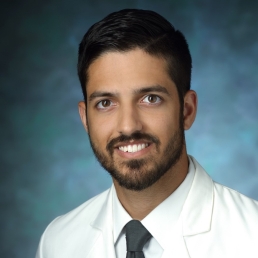 James Aluri, MD Assistant Professor
If you or someone you know is in crisis, call or text 988 for the Suicide & Crisis Lifeline — free, confidential, 24/7. Visit 988lifeline.org.