
What if suicide prevention started long before a crisis?
That question runs through "Eleven Minutes," a KFF Health News series by reporter Aneri Pattani. The name reflects a CDC estimate that one person in the United States dies by suicide about every 11 minutes. But the series is about possibility as much as loss. In the words of its introduction, "A new approach to prevention shifts the focus from stopping harm in moments of crisis to upstream policies that give people reasons to live."
Looking upstream
Crisis services such as the 988 Suicide & Crisis Lifeline are essential. "Upstream" prevention adds another layer: the conditions in people's lives that shape risk long before a moment of crisis.
The series has explored several of those conditions since its first installment on April 29, 2026. A May 12 story, "Low Wages, Empty Plates, Heavy Toll," looked at economic stability. A June 9 story looked at social connection. A September 21 installment turned to reducing access to lethal means, including firearms.
Connection as prevention
The June 9 story, "Trivia Nights, Valentine's Cards: Overlooked Social Connections Can Prevent Suicide," focuses on loneliness. As the article puts it, "Among the various complex issues that contribute to suicide, loneliness is a big one."
Pattani profiles people and places turning everyday activities into chances to connect:
- Steve Siple, a former board chair of the American Foundation for Suicide Prevention, who has made social connection a priority, from years of bar trivia nights to volunteer clean-up Saturdays along a light rail line.
- A health system and museum in Charlotte that offer "prescriptions" for art classes and live performances.
- Community-funded benches in Chattanooga where people can talk with volunteer listeners.
- "Men's sheds," spaces around the country where men work on projects together and talk about mental health.
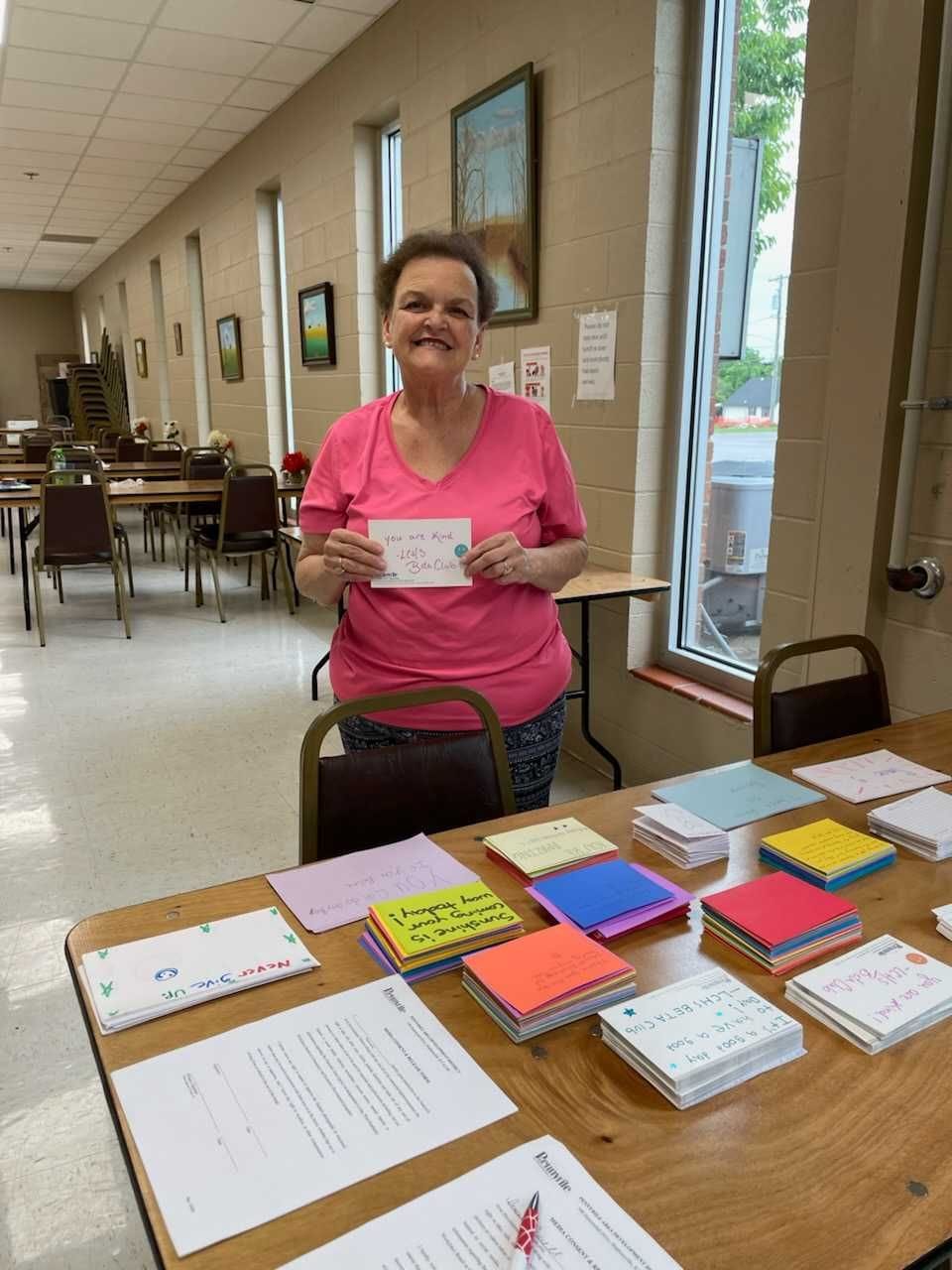
- In rural western Kentucky, high school Beta club students who wrote about 1,200 cards that were delivered to older residents along with their meals.
Former U.S. Surgeon General Dr. Vivek Murthy told KFF Health News: "To help someone else feel less alone, to help them feel seen and understood and valued — that can be one of the most powerful interventions that we make."
Why it matters
Stories like these make an important point in plain terms: prevention is not only the work of clinics and hotlines. It also happens through the choices communities make about how people live, work and spend time together. Many of these programs are small and local, and the evidence on which approaches work best is still growing. Taken together, they show how many people can play a part.
The Center shares this kind of reporting because it reflects a core belief in public health: suicide can be prevented, and the conditions that give people reasons to live are part of prevention.
If you or someone you know is in crisis, call or text 988 for the Suicide & Crisis Lifeline — free, confidential, 24/7. Visit 988lifeline.org.