
Many people who die by suicide have been in contact with the health care system shortly before their death. One large U.S. study in the Journal of General Internal Medicine found that 83% of people who died by suicide had a health care visit in the year before their death (Ahmedani et al., 2014). That study looked at people of all ages, but it points to a clear opportunity for young people too: pediatric primary care is a place where risk can be recognized and young people can be connected to care.
Screening is an important first step, but it is only a first step. Young people who screen positive also need timely assessment, referral, safety planning and follow-up. Whether those things happen depends on how well a clinic's everyday systems work.
What EQUIP is
The Equity in Quality Improvement for Pediatric Suicide Prevention (EQUIP) project is working to strengthen that chain of care in pediatric primary care. It is led by Dr. Laura Prichett, Assistant Professor of Pediatrics at Johns Hopkins and a member of the Center for Suicide Prevention.
EQUIP uses the Systems Analysis and Improvement Approach (SAIA), a quality improvement strategy that helps clinical teams find gaps in their workflow and test practical solutions. Teams work in rapid Plan-Do-Study-Act cycles: plan a small change, try it, look at what happened, and adjust. Dr. Prichett and colleagues Pahwa and Kumra wrote about the approach in a June 2026 piece for CLOSLER.
Starting at Remington
In spring 2026, the EQUIP pilot launched at Johns Hopkins Community Physicians–Remington. A multidisciplinary working group of pediatricians, nursing staff, social work, clinic leadership and researchers held its first process mapping session. Together, they traced how young people at risk of suicide currently move through the clinic, from screening and risk assessment to referral, safety planning and follow-up, to find bottlenecks and opportunities to improve.
Over the following months, the team is designing and testing small, clinic-driven "micro-interventions" aimed at improving both the quality and the equity of suicide prevention care.
Why equity is part of the name
Not every young person benefits equally from the same system. Dr. Prichett's recent research in Academic Pediatrics found that after the COVID-19 pandemic, adolescent girls and racially and ethnically minoritized youth experienced disproportionate increases in diagnosed mental health conditions (Prichett et al., 2026). Looking closely at who moves smoothly through each step of care, and who does not, is one way to close those gaps.
What comes next
EQUIP is a pilot in one clinic, so its results are not yet known. Its value lies in working alongside the frontline clinicians and staff who deliver care every day, and in developing strategies that are practical and sustainable. Lessons from EQUIP may help other primary care practices build more effective and equitable approaches to youth suicide prevention.
Center faculty in this story
-
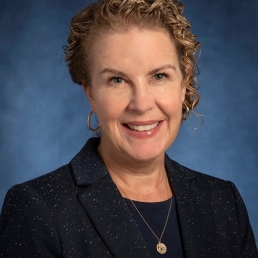 Laura McCallister Prichett, MHS, PhD Assistant Professor of Pediatrics
If you or someone you know is in crisis, call or text 988 for the Suicide & Crisis Lifeline — free, confidential, 24/7. Visit 988lifeline.org.