
"If it's not on my phone, I'm not interested."
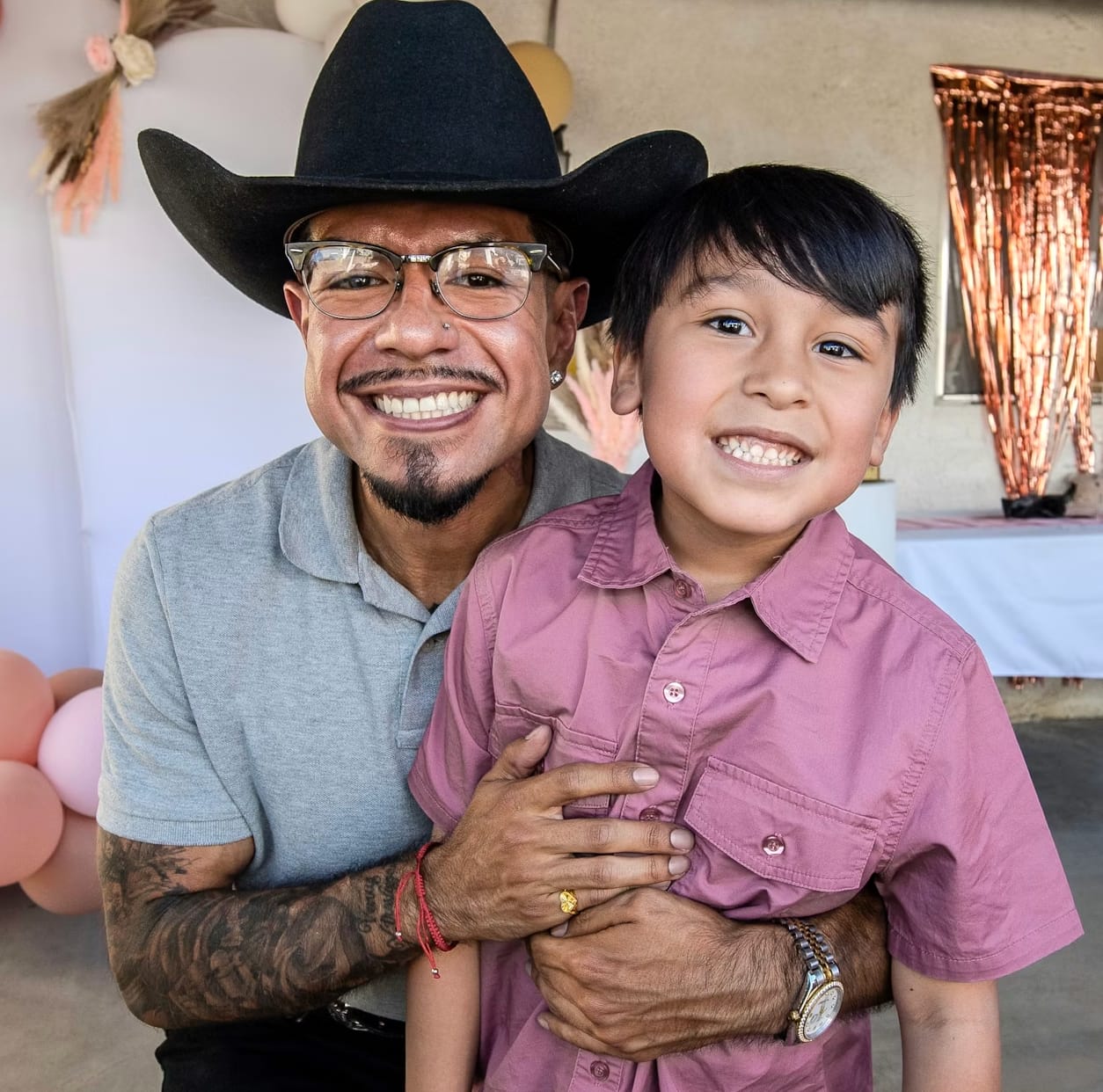
That is what one young person told Dr. Valentín Quiroz Sierra, a postdoctoral fellow at the Johns Hopkins Center for Indigenous Health who is affiliated with the Johns Hopkins Center for Suicide Prevention. Working with urban Native youth in California, Dr. Quiroz Sierra heard a clear message about what suicide prevention programs need to be: free, grounded in culture, and on their phones.
"What I find most meaningful in suicide prevention work is when youth and community members can define things in their own words," Dr. Quiroz Sierra said. "The IndigiText Project started that way."
What IndigiText is
The IndigiText Project is a text message program built from the ground up to strengthen young people's day-to-day sense of cultural connectedness, which the project treats as a protective factor.
On the technical side, IndigiText is a personalized just-in-time adaptive intervention, or pJITAI, which the team pronounces "p-Jedi." It uses reinforcement learning, a type of machine learning that improves through feedback, to tailor both what each message says and when it arrives. The goal is simple: the right support, at the right time, when a young person needs it most.
Built with youth, not just for them
The technology is only part of the story. IndigiText is working with three Urban Indian Health Organizations in California, with support from the Johns Hopkins Center for Indigenous Health. The team planned a series of free cultural events for summer 2026 where Native youth co-create the text messages and other parts of the program themselves.
One of those events is a "Beads and Basketball Clinic" hosted with the Sacramento Native American Health Center. Youth spend time on the court and at the beading table while writing messages that will later reach the phones of other urban Native youth across California.
This approach puts decisions about language, content and culture with the young people the program is meant to serve. It also reflects a lesson that runs through much of the Center's work with communities: prevention tools are more likely to be used, and trusted, when the people they serve help shape them.
What comes next
IndigiText is still being built with youth, so there are no results to report yet. The next steps will show how young people use the messages and whether the approach strengthens cultural connectedness over time.
For Dr. Quiroz Sierra, the direction is clear. "I believe suicide prevention work is more effective when youth can define what support looks like," they said, "and we build the systems and interventions that listen and respond in real time."
Center faculty in this story
-
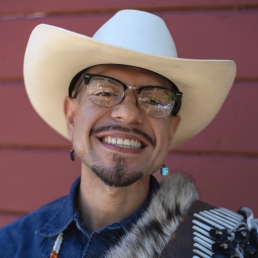 Valentín Quiroz Sierra, PhD, MSW Postdoctoral Fellow
If you or someone you know is in crisis, call or text 988 for the Suicide & Crisis Lifeline — free, confidential, 24/7. Visit 988lifeline.org.