
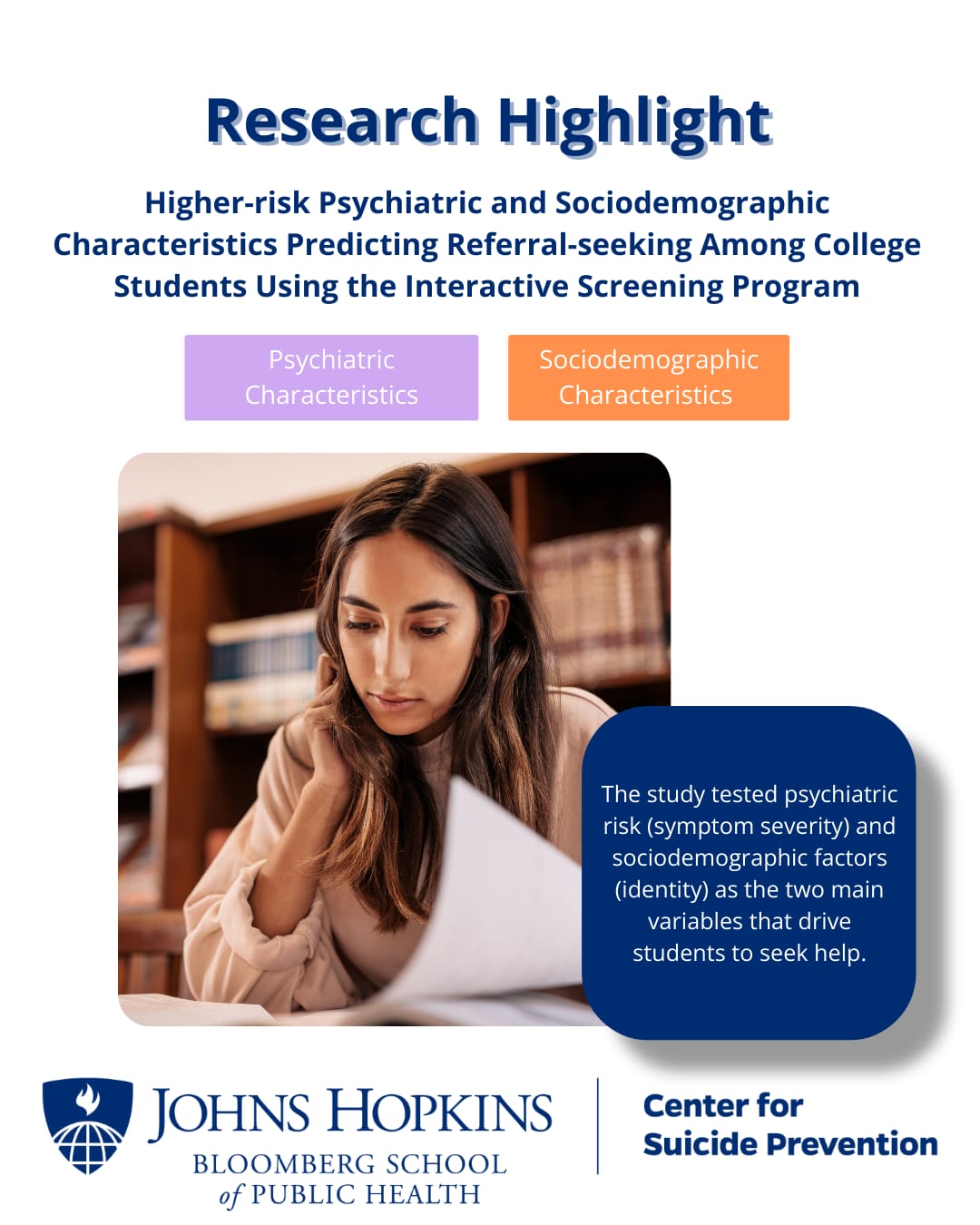
Many colleges offer online mental health screening. A student answers questions about how they are doing, and a counselor can reply and offer to connect them with care. But screening only helps if students take the next step. Who does?
A study led by Ashley Witmer, a PhD student at the Johns Hopkins Center for Suicide Prevention, looked at that question using the American Foundation for Suicide Prevention's Interactive Screening Program (ISP). "Higher-risk psychiatric and sociodemographic characteristics predicting referral-seeking among college students using the interactive screening program" was published in the Journal of Affective Disorders (Witmer et al., 2026). Co-authors include Center faculty Dr. Holly Wilcox and Dr. James Aluri, and Susanna Lewis.
How the study worked
The team analyzed data from 63,407 college students at 58 colleges and universities who used the ISP between 2009 and 2024. They used natural language processing, a computer method for analyzing text, to classify the written exchanges between students and counselors and identify which students asked for a referral to care.
What they found
Students with more serious needs were more likely to ask for help. Students were more likely to seek a referral if they:
- had moderate or more severe depression symptoms (odds about 1.55 times higher),
- were not currently in therapy (about 2 times higher),
- reported recent suicidal thoughts (about 1.22 times higher), or
- were 25 or older (about 1.38 times higher).
That is encouraging: the program appears to reach students who are struggling and not yet receiving care.
At the same time, some groups were less likely to ask for a referral. Students who identified as genderqueer (odds about 0.70) or Hispanic or Latin(x) (about 0.86), and students who reported "other" race and ethnicity, were less likely to seek one.
What it means
The findings support the value of screening programs like the ISP for connecting students to care. They also point to where more work is needed. If some students are less likely to take the next step, colleges can look at what might discourage them, such as stigma, mistrust or services that do not feel culturally relevant, and pair screening with efforts that make care more welcoming.
Limits
The study shows associations, not causes. It includes only students who chose to use the ISP, so it does not describe all students on these campuses.
Center faculty in this story
-
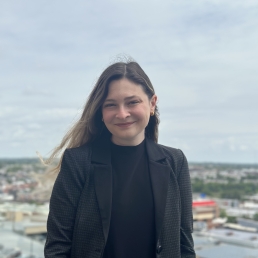 Ashley Witmer, MPH Doctoral Student
 -
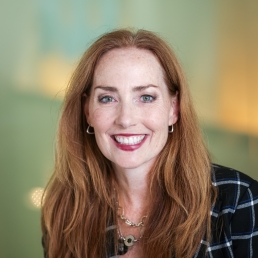 Holly C. Wilcox, PhD Director & Founder, Johns Hopkins Center for Suicide Prevention; Professor, Department of Mental Health
 -
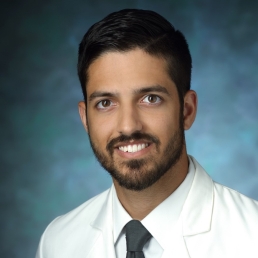 James Aluri, MD Assistant Professor
If you or someone you know is in crisis, call or text 988 for the Suicide & Crisis Lifeline — free, confidential, 24/7. Visit 988lifeline.org.