
Lyme disease is best known for fever, rash and joint pain. For some people, though, the effects reach further, with lasting neurologic and psychiatric symptoms after the infection. Understanding who is affected, and when, could help clinicians offer mental health support earlier.
Dr. Laura Prichett, Assistant Professor of Pediatrics at Johns Hopkins and a member of the Center for Suicide Prevention, has received a research grant from the Global Lyme Alliance to study these questions in children, adolescents and young adults. The Global Lyme Alliance announced the grant in March 2026.
What earlier research shows
The project builds on prior research, not conducted by the Center. A nationwide study in Denmark, published in the American Journal of Psychiatry (Fallon et al., 2021), compared people diagnosed with Lyme borreliosis with people who had not been diagnosed. It found that those with Lyme disease had:
- a 28% higher rate of mental disorders,
- a 42% higher rate of affective disorders, such as depression,
- about twice the rate of suicide attempts, and
- a 75% higher rate of death by suicide.
The risk of death by suicide was highest in the first three years after diagnosis.
These are associations. The Danish study does not show that the infection itself causes these outcomes, and it does not explain why the patterns appear. That is part of what makes new research important.
What the new project will study
Dr. Prichett's project will look at whether Lyme disease is associated with depression, suicidal thoughts and behaviors, and other neuropsychiatric outcomes in young people. One question is whether inflammation affecting the brain after tick-borne infection plays a role in mental health risk.
The aim is practical: to help clinicians recognize which young people may need closer attention after a Lyme diagnosis, and to strengthen mental health screening and follow-up for them.
Why it matters
Most conversations about youth suicide prevention focus on mental health settings, schools and families. This project adds a different angle. Young people being treated for a physical illness are often in contact with health care, which creates chances to notice changes in mood or behavior and to connect them with support.
The work also reflects the Center's interest in how physical health, including infectious disease, may be connected to suicide risk. Findings from the project could help pediatric and primary care clinicians know when to ask more questions and where to look for help.
The Center congratulates Dr. Prichett on the award.
Center faculty in this story
-
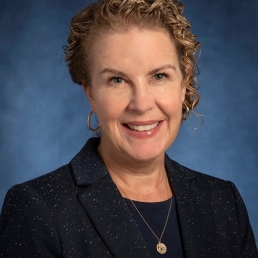 Laura McCallister Prichett, MHS, PhD Assistant Professor of Pediatrics
If you or someone you know is in crisis, call or text 988 for the Suicide & Crisis Lifeline — free, confidential, 24/7. Visit 988lifeline.org.