
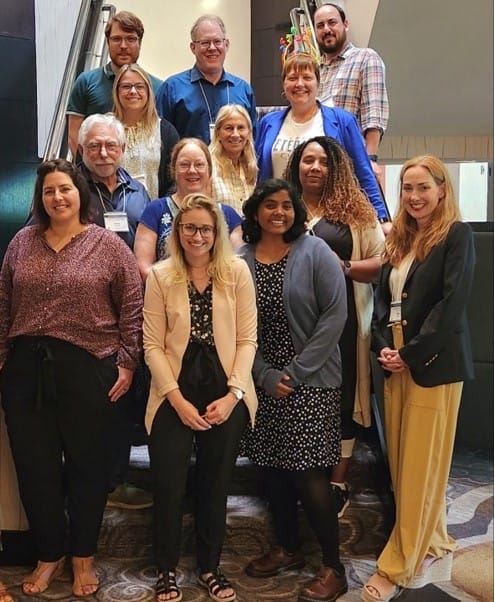
When someone dies by suicide, the loss reaches families, friends and whole communities. Suicide fatality review responds with a careful question: what can we learn that could help prevent future deaths?
In February 2026, the Maryland Suicide Fatality Review Committee released its first annual report, the Maryland Suicide Fatality Review Committee Report 2025. The report covers October 2024 through September 2025 and, as Maryland law requires, goes to the Governor and the General Assembly.
Who is doing this work
The committee is chaired by Dr. Paul Nestadt, Medical Director of the Johns Hopkins Center for Suicide Prevention. Center faculty Dr. Holly Wilcox, Dr. Lanny Berman and Dr. Hadi Kharrazi also serve on the committee, which is administered by the Maryland Department of Health. Maryland established the committee in law in 2022.
How a fatality review works
A fatality review brings people with different kinds of expertise together to look closely at individual deaths that have already happened. The aim is to understand risk factors and to find the points where support, services or policy might have made a difference. Those lessons then become practical recommendations.
This kind of review does not replace research on large populations. It adds depth, showing how risk and missed opportunities play out in real lives, so that prevention efforts can be more specific.
A focus on young adults
For this report, the committee focused on young adults aged 19 to 24 and on suicide deaths involving firearms. The report notes that young adults face distinct developmental challenges during this stage of life.
Understanding the circumstances around these deaths, including access to lethal means such as firearms, can help Maryland decide where prevention efforts are most needed for this age group.
Recommendations in six areas
The report's recommendations are organized into six areas:
- Education
- Policy
- Services
- Clinical care
- Training
- Data
Together, they are intended to guide new, targeted prevention efforts across the state.
What comes next
The committee has already turned to its next focus: older adults, and the role of prescription medications in overdose deaths.
Every case a committee like this reviews represents a person who was loved and is missed. Learning carefully from those losses, and acting on what is learned, is one way to honor them. Maryland's approach also offers an example that other states can consider as they build their own review processes.
Center faculty in this story
-
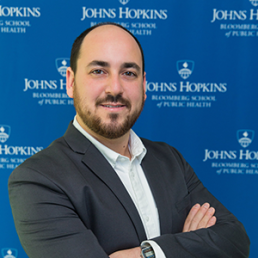 Paul S. Nestadt, MD Medical Director, Johns Hopkins Center for Suicide Prevention; Associate Professor, Departments of Psychiatry and Mental Health
 -
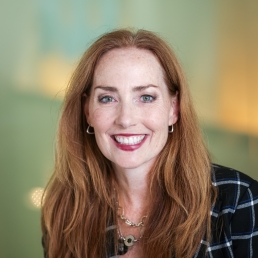 Holly C. Wilcox, PhD Director & Founder, Johns Hopkins Center for Suicide Prevention; Professor, Department of Mental Health
 -
 Alan L. "Lanny" Berman, PhD
 -
 Hadi Kharrazi, MD, PhD Professor, Department of Health Policy and Management
If you or someone you know is in crisis, call or text 988 for the Suicide & Crisis Lifeline — free, confidential, 24/7. Visit 988lifeline.org.