
The days and weeks after a young person visits an emergency department for suicidal behavior are an important time for support. Parents are often the people closest to that young person, but they may leave the hospital unsure what to watch for, how to talk with their child or how to find ongoing care.
A new study led by Marcus Henderson, a PhD student affiliated with the Johns Hopkins Center for Suicide Prevention, focuses on those parents. The protocol, "Psychosocial Factors Associated With Parental Self-Efficacy in Adolescent Suicide Prevention: A Mixed Methods Study Protocol," was published in Research in Nursing & Health (Henderson et al., 2026). Co-authors include Center Director Dr. Holly Wilcox.
What "parental self-efficacy" means
Self-efficacy is a person's confidence that they can do something that matters. For parents in this situation, that includes confidence in recognizing signs of risk, communicating with their teenager, putting safety plans into practice and navigating the mental health care system.
The study will examine the psychosocial and contextual factors that shape that confidence. Understanding what builds it, and what gets in the way, can point to better ways to support families.
How the study will work
The team is using a mixed-methods design, combining surveys with in-depth conversations. The approach is parent-engaged, meaning parents' own experiences help shape what the study asks and how the findings are understood.
The study will oversample parents who identify as Black or African American. The authors note growing concern about suicide risk among Black adolescents, and Black families' experiences have been underrepresented in research on how to support young people after an emergency visit. Centering those experiences is intended to inform family-centered services that are more equitable and culturally responsive.
What comes next
Because this is a protocol, it describes a study that is planned or underway rather than reporting results. Publishing the design in advance allows other researchers and clinicians to see how the questions are being asked and to build on the approach.
The Center looks forward to sharing what the study learns about how health systems can better equip parents during this period of care.
Center faculty in this story
-
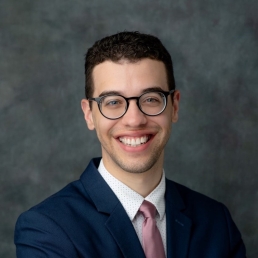 Marcus D. Henderson, MSN, RN PhD Candidate
 -
 Holly C. Wilcox, PhD Director & Founder, Johns Hopkins Center for Suicide Prevention; Professor, Department of Mental Health
If you or someone you know is in crisis, call or text 988 for the Suicide & Crisis Lifeline — free, confidential, 24/7. Visit 988lifeline.org.