
Much of what we know about suicide comes from records: death certificates, medical charts and public health surveillance data. These sources are essential, but they leave a lot out. They rarely capture what a person's life looked like in the months before their death, or the moments when help might have made a difference.
Psychological autopsy studies aim to fill that gap. Researchers conduct in-depth interviews with family members and others who knew a person who died by suicide. Together, those conversations help reconstruct the clinical, social and personal circumstances that shaped the person's life.
A feature on the Center's work
"Suicide under the microscope," by Marc Shapiro, published by Hopkins Medicine magazine on April 20, 2026, looks at this research at Johns Hopkins. It features Center Medical Director Dr. Paul Nestadt, Senior Advisor Dr. Lanny Berman and Center Director Dr. Holly Wilcox, along with trainees who take part in the work.
What the research is showing
One of the most important lessons from this work is about who is, and is not, reached by care. As the feature reports, "the majority of people who die by suicide had never been in treatment or attempted suicide."
That finding matters for how prevention is designed. Many strategies focus on people who are already in treatment or who have survived an attempt. Those efforts are important, but they cannot reach everyone. The feature puts it plainly: "Most people who die by suicide will have never gotten an evidence-based intervention."
The implication is hopeful as well as sobering. If many people who die by suicide never come into contact with mental health care, then prevention can also happen elsewhere: in primary care, schools, workplaces, families and communities. Psychological autopsy research helps show where those opportunities are.
Limits of the method
Psychological autopsy studies depend on what family members and others can recall and share, and it is difficult to gather enough cases for large combined analyses. The method is best understood as one source of evidence alongside others.
The Center is also working to strengthen the approach. A pilot study with the University of Pittsburgh and Georgia Tech, "Piloting a Next Generation Psychological Autopsy Study Including Digital and Contextual Exposures," is testing ways to include young people's digital lives and other context in this kind of research.
Gratitude to families
This research is possible only because families and friends are willing to talk about someone they loved and lost. Their generosity, often during a painful time, is helping others learn how to prevent future deaths. The Center is deeply grateful to them.
Center faculty in this story
-
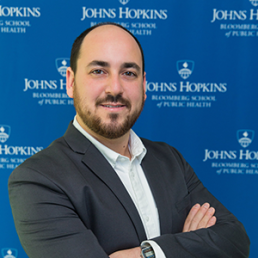 Paul S. Nestadt, MD Medical Director, Johns Hopkins Center for Suicide Prevention; Associate Professor, Departments of Psychiatry and Mental Health
 -
 Alan L. "Lanny" Berman, PhD
 -
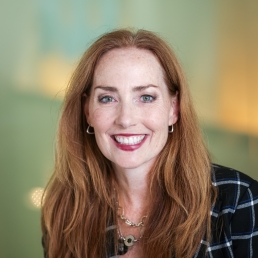 Holly C. Wilcox, PhD Director & Founder, Johns Hopkins Center for Suicide Prevention; Professor, Department of Mental Health
If you or someone you know is in crisis, call or text 988 for the Suicide & Crisis Lifeline — free, confidential, 24/7. Visit 988lifeline.org.