
Suicide fatality review teams help communities learn from suicide deaths and turn those lessons into prevention. Setting up a team, and keeping it effective, takes skill and structure.
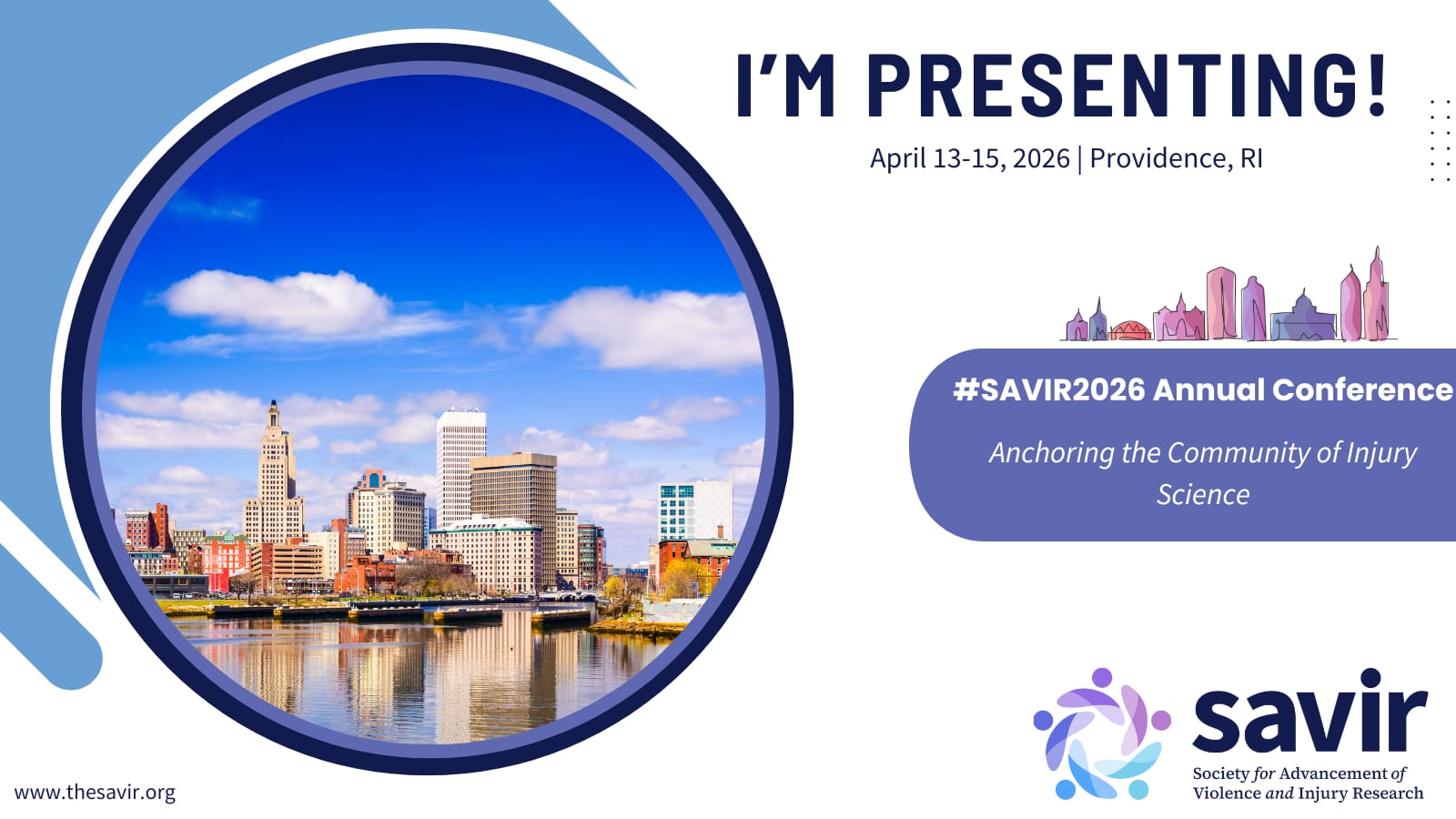
In April 2026, Center Medical Director Dr. Paul Nestadt shared that know-how at the annual meeting of the Society for Advancement of Violence and Injury Research (SAVIR), held April 13–15 in Providence, Rhode Island. He presented a pair of workshops for visiting scholars and public health leaders on how to set up and run suicide fatality review teams.
"I had a great time at #SAVIR2026 teaching visiting scholars and public health champions how to set up and run Suicide Fatality Review Teams," Dr. Nestadt said.
The Collaborative Framework for Prevention
The workshops used the Collaborative Framework for Prevention (CFP), which Dr. Nestadt describes as an evidence-based model for lasting injury reduction. The framework coordinates efforts across sectors, especially public health and public safety, to make change at the level of individuals, places and communities.
The framework rests on a simple premise: problems are solved earlier when different sectors coordinate and share data in real time. For suicide fatality review, the CFP provides the structure for accountability and clear next steps, helping teams move beyond reviewing individual cases toward preventing future deaths across a system.
Why fatality review matters
Maryland established a state suicide fatality review committee in law in 2022, and Dr. Nestadt chairs it. The committee's Maryland Suicide Fatality Review Committee Report 2025 offered recommendations in six areas: education, policy, services, clinical care, training and data. That experience informs how he teaches others to build and sustain their own teams.
Workshops like these help spread practical knowledge from one place to another, so that more communities can learn from each loss and act on what they learn.
Learning together
Dr. Nestadt presented alongside colleagues from Michigan, Indiana, Philadelphia and the Institute for Intergovernmental Research. He thanked Mallory O'Brien, Cassandra Crifasi, Ruth Abaya, Natalie Hipple, Lauren Savitskas and Lauren Fink for their collaboration.
"It was wonderful to collaborate with my colleagues," he said, "to share these insights with the injury science community."
Center faculty in this story
-
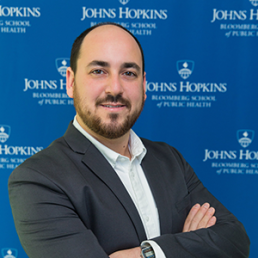 Paul S. Nestadt, MD Medical Director, Johns Hopkins Center for Suicide Prevention; Associate Professor, Departments of Psychiatry and Mental Health
If you or someone you know is in crisis, call or text 988 for the Suicide & Crisis Lifeline — free, confidential, 24/7. Visit 988lifeline.org.