
Selective serotonin reuptake inhibitors, or SSRIs, are the most frequently prescribed class of antidepressants. They are also the subject of a growing public debate, as federal health officials have pushed to reduce how often Americans take them.
On July 23, 2026, the Johns Hopkins Bloomberg School of Public Health's Public Health On Call podcast took up the question directly in an episode titled "Are SSRIs Being Overprescribed?" Host Stephanie Desmon spoke with two Johns Hopkins psychiatrists: Dr. Paul Nestadt, Medical Director of the Johns Hopkins Center for Suicide Prevention, and Dr. Jimmy Potash, psychiatrist-in-chief.
A balanced look at a common medication
The conversation does not pretend the question is simple. As the episode describes, SSRIs can be lifesaving for some people, and they can also have significant side effects and be difficult to taper off. The guests discuss recommendations about deprescribing, meaning reducing or stopping a medication, and explain why SSRIs remain an important treatment tool despite pressure to cut back on their use.
For many people living with depression and anxiety, these medications are an evidence-based option that helps. The more useful public conversation, in the Center's view, is not about eliminating a treatment that works. It is about making sure each person gets the right care, with a clinician who can weigh the benefits and drawbacks with them over time.
Why this matters for suicide prevention
Depression is one of the conditions most often discussed in suicide prevention, and it is treatable. Effective treatment can include medication, therapy or both, depending on the person.
Public debates about medication can leave people unsure about their own care. Clear, evidence-based information helps. Anyone with questions about an antidepressant they are taking should talk with their prescriber before making changes, rather than stopping on their own. Clinicians can help people decide whether to continue, adjust or taper a medication, and how to do it safely.
Listen to the episode
The full conversation is available from Public Health On Call. The Center thanks the Johns Hopkins Bloomberg School of Public Health and the Public Health On Call team for making space for a careful discussion of a topic that affects so many people and families.
Center faculty in this story
-
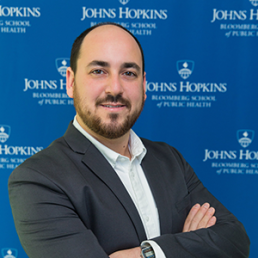 Paul S. Nestadt, MD Medical Director, Johns Hopkins Center for Suicide Prevention; Associate Professor, Departments of Psychiatry and Mental Health
If you or someone you know is in crisis, call or text 988 for the Suicide & Crisis Lifeline — free, confidential, 24/7. Visit 988lifeline.org.