

The COVID-19 pandemic affected the mental health of young people across the United States. As the years pass, a key question is who has recovered, and who has not.
A new article led by Dr. Laura Prichett, Assistant Professor of Pediatrics at Johns Hopkins and a member of the Center for Suicide Prevention, looks at that question. "Uneven Recovery: Intersectional Disparities in Youth Mental Health After COVID-19" was published in Academic Pediatrics in 2026 (Prichett et al.).
What the paper reports
The authors describe post-pandemic patterns that "increasingly reflect intersectional divergence." In plain terms, recovery has not been shared equally. Adolescent girls and racially and ethnically minoritized youth have experienced disproportionate increases in diagnosed mental health conditions compared with their peers.
"Intersectional" is the important word. The differences are not only about sex or only about race and ethnicity, but about how those factors combine. Averages across all young people can hide the groups where needs are growing.
What it means for care
For pediatric health systems, the findings sharpen a familiar challenge. Many clinics now screen young people for depression and suicide risk. Screening is an important first step, but it is only a first step. The harder part is making sure every young person who is identified actually receives timely, effective and culturally responsive follow-up care.
If some groups of young people are carrying a larger share of new mental health needs, systems need to ask not only "are we screening?" but also "who is falling through the gaps after we screen, and why?"
Limits to keep in mind
The findings describe diagnosed conditions, which depend in part on who is able to reach care and be diagnosed. They show patterns, not the causes behind them. More work is needed to understand why these gaps are widening and which approaches close them.
Part of a larger body of work
This paper connects to other Center efforts focused on young people in health care settings, including work to strengthen follow-up after screening in pediatric primary care. Together, they reflect a shared goal: making sure the systems that serve young people work for all of them.
Center faculty in this story
-
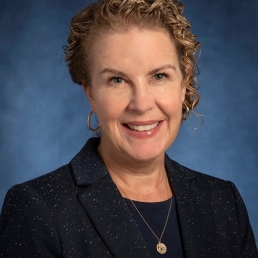 Laura McCallister Prichett, MHS, PhD Assistant Professor of Pediatrics
If you or someone you know is in crisis, call or text 988 for the Suicide & Crisis Lifeline — free, confidential, 24/7. Visit 988lifeline.org.